Business Valuation for Investment or Sale
When you need to sell a business, attract an investor, or understand its real value, it is important to rely not on assumptions, but on a professional calculation.
Business valuation is not something people deal with every day. For many, it still feels abstract — something from the world of large companies and major transactions. But in reality, the need to understand the real value of a business can arise in a very ordinary situation: when you want to sell your business, arrange inheritance, separate assets with a partner, attract an investor, or simply understand how much the result of your efforts is worth.
Often, the first instinct is to estimate everything “by eye”: take average revenue, multiply it by some conditional coefficient, or ask what acquaintances think. But in reality, a business is not just turnover. Its value is shaped by many factors: profit stability, asset structure, debts, the founder’s role, market reputation, and even the composition of the client base. All of this is difficult to fit into one universal formula.
If you are preparing for a sale or negotiations with a potential partner, valuation helps you do more than simply name a price — it helps you justify it. It is a way to speak in numbers, not emotions. When you show a document with calculations, logic, and an independent expert view, people start to trust you. Even if the final value differs from expectations, it always looks more serious than saying, “Well, I think it is worth about five million.”
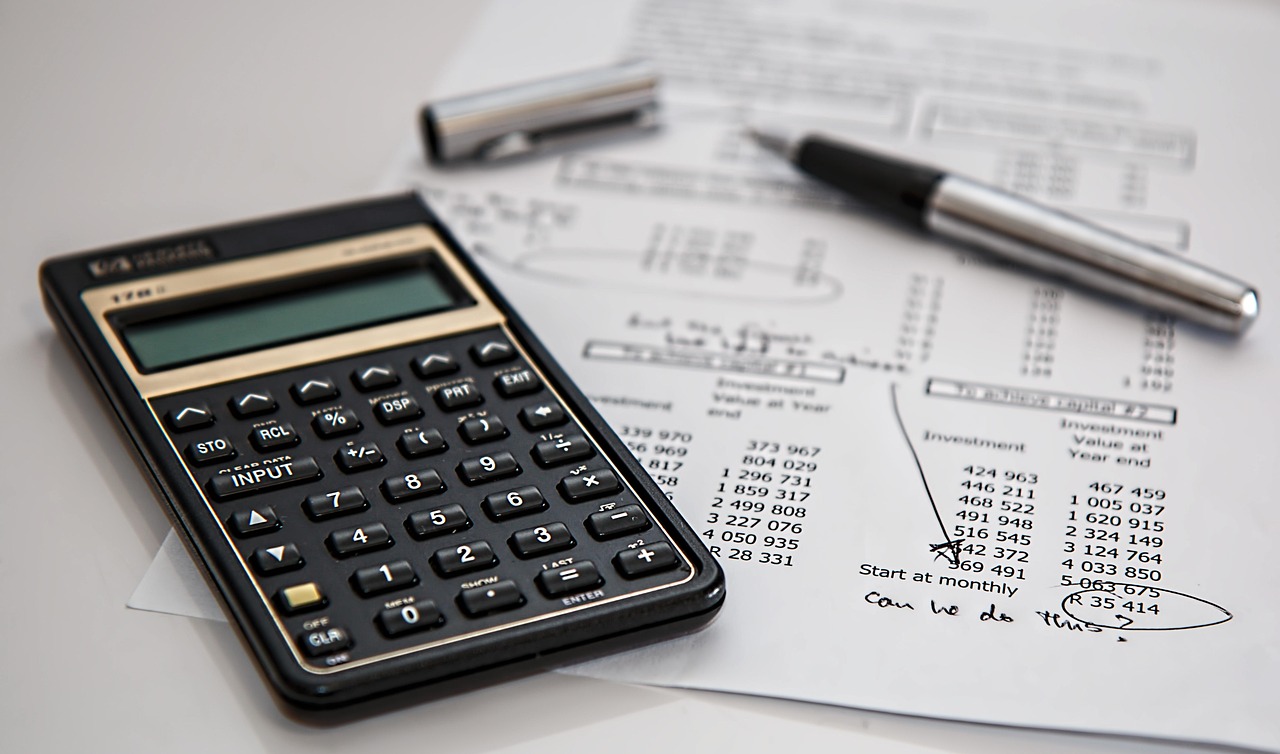
Sometimes valuation is needed not for external purposes, but for internal ones. For example, if you are preparing to scale the business, take a loan, or, on the contrary, are thinking about closing the business, understanding the real value helps you make balanced decisions. This does not mean you need to rush to an appraiser immediately. Sometimes a consultation is enough to understand whether your business is ready for valuation now and what can be improved in the future.
It is an independent view of the company’s structure, stability, assets, risks, financial transparency, and development prospects.
In practice, the valuation process itself is not as complicated as many people imagine. You will not have to collect dozens of certificates or answer uncomfortable questions. A specialist will explain which documents are needed, how to present the assets properly, and where additional clarification may be required. Everything proceeds calmly and professionally, and the result is a clear report with understandable figures and justification.
It is important to understand that valuation is not just a number in a report. It is an outside view of your business. Sometimes it confirms what you already knew. And sometimes it gives you a reason to think: where the value is weakening, why financial transparency matters, and what can be improved in the structure. This is useful even when there is no sale or transaction yet.
Valuation as a Strategic Planning Tool
A good valuation can also become a strategic planning tool. It helps answer important questions: which business areas are the most profitable, which are unprofitable, and what the real growth prospects are. Sometimes this analysis leads to a revision of priorities: you may see that one area is pulling the entire company down and decide either to optimize it or close it completely.
For entrepreneurs who run their business “inside their own system” — without partners, external investors, or mandatory reporting — an independent valuation can become the first step toward systematization. It highlights weak points: unclear accounting, chaotic expense structure, dependence on one major client. These things may be invisible in daily routine, but they are critical for development.

If you are negotiating with potential investors or buyers, a valuation report is an argument, not just a formality. It is like a presentation, but with numbers. It helps establish the framework for discussion, show that you take the business seriously, and demonstrate that you are ready to discuss economics rather than emotions.
Ultimately, the question of whether you need a business valuation depends on your goals. If you simply want to “roughly understand” how much the business is worth, a short consultation may be enough. But if you are moving toward a specific transaction, resolving a legal dispute, or planning long-term changes, an official valuation is essential.
In reality, everything is not as difficult as it may seem. The key is to find a specialist who can explain things in simple language, does not confuse you with unnecessary formalities, and works in your interests — not just to complete a report for the sake of it.
Need a Business Valuation?
Submit a request — we will explain which documents are required, which report format is best for your purpose, and how long the preparation will take.